
Wisdom teeth, also known as third molars, typically emerge in late adolescence or early adulthood when there’s often insufficient space in the mouth to accommodate them properly. These final teeth to develop can cause significant problems including pain, crowding, and infection when they don’t have adequate room to erupt normally. Wisdom tooth removal is one of the most common oral surgery procedures, providing relief and preventing future complications.
At Rivers Dentistry, Dr. Connor Rivers performs wisdom tooth extractions with precision and care, using advanced techniques to ensure your comfort throughout the procedure. Our comprehensive approach addresses both immediate concerns and long-term oral health, helping you avoid complications while maintaining optimal comfort during treatment.
Wisdom teeth problems arise when these large molars attempt to erupt without sufficient space in the jaw. Impacted wisdom teeth remain trapped beneath the gum line or only partially emerge, creating pockets where bacteria can accumulate and cause infection. This condition, known as pericoronitis, can cause severe pain, swelling, and difficulty opening your mouth.
Partially erupted wisdom teeth are particularly problematic because they’re extremely difficult to clean properly, leading to decay and gum disease. Even fully erupted wisdom teeth can cause problems if they’re positioned incorrectly, making effective oral hygiene nearly impossible and increasing the risk of cavities and periodontal disease in adjacent teeth.

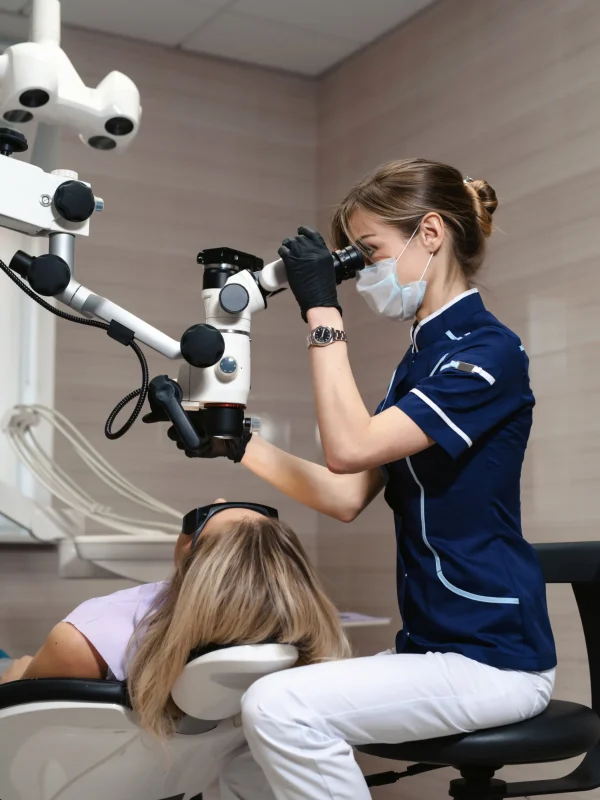
Pain and swelling in the back of your mouth are common signs that wisdom teeth may need to be removed. This discomfort often worsens when chewing or opening your mouth wide, and may be accompanied by headaches or jaw stiffness. Recurrent infections around wisdom teeth, characterized by swelling, bad breath, and difficulty swallowing, warrant professional evaluation.
Other warning signs include crowding of your front teeth, which can occur when wisdom teeth push against adjacent molars. Cysts or tumors can develop around impacted wisdom teeth, potentially damaging surrounding bone and teeth. These pathologies can arise much later in life, necessitating a difficult surgery when healing ability is diminished compared to a person’s teen years and early 20s. Bad breath that doesn’t improve with normal oral hygiene may indicate infection around wisdom teeth that can’t be cleaned effectively.
Wisdom tooth extraction begins with comprehensive examination and digital X-rays to assess the position and condition of your teeth. We evaluate the complexity of your case and develop a treatment plan that addresses your specific needs. Simple tooth extractions of fully erupted wisdom teeth can often be completed with local anesthesia, while impacted teeth may require surgical removal.
The surgical procedure involves making a small incision in the gum tissue to access the impacted tooth. We may need to remove some bone or divide the tooth into smaller pieces for easier removal. Once the tooth is extracted, we clean the area thoroughly and place sutures if necessary. The entire process is performed under appropriate anesthesia to ensure your complete comfort.

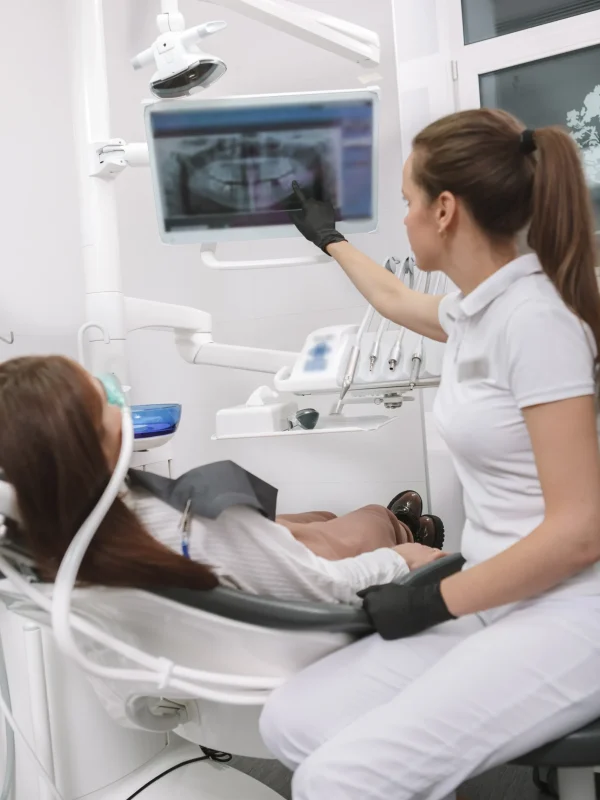
We understand that wisdom tooth removal can cause anxiety, which is why we offer comprehensive sedation options to ensure your comfort throughout the procedure. Nitrous oxide provides mild relaxation for simple extractions, while oral sedation helps anxious patients feel calm and comfortable during treatment. For complex surgical cases, IV sedation allows you to sleep through the procedure completely.
Our sedation approach is customized to your comfort level and the complexity of your extraction. We monitor you closely throughout the procedure to ensure your safety and comfort. Patients who choose IV sedation typically have little to no memory of the procedure, which is one of the reasons so many patients who have been putting off wisdom tooth removal find it far more manageable than they expected.
Recovery from wisdom tooth removal typically takes several days to a week, depending on the complexity of your extraction. Immediately following surgery, you’ll experience some swelling and discomfort, which can be managed effectively with prescribed medications and cold compresses. Following our detailed aftercare instructions is crucial for optimal healing and preventing complications.
Rest is essential during the first 24-48 hours after surgery. Avoid strenuous activities that could dislodge blood clots and cause dry socket, a painful condition that delays healing. Stick to soft foods and avoid using straws, which can create suction that disrupts the healing process. Good oral hygiene, modified to avoid the extraction sites, helps prevent infection.


Dry socket is the most common complication following wisdom tooth removal, occurring when the blood clot that forms in the extraction site is dislodged prematurely. This condition causes severe pain and requires professional treatment to resolve. Following our aftercare instructions significantly reduces your risk of developing dry socket.
At Rivers Dentistry, we routinely offer PRF (platelet-rich fibrin) therapy as part of the extraction process. PRF involves drawing a small amount of the patient’s own blood, concentrating the natural healing factors, and placing them directly into the tooth socket. This advanced technique has been shown to reduce post-operative pain, accelerate healing, and promote new bone formation. It is one of the ways we go beyond standard extraction care to support better outcomes for our patients.
Infection, while uncommon, can occur if bacteria enter the extraction site. Signs of infection include increasing pain, swelling, fever, and foul taste or odor. Contact us immediately if you experience these symptoms, as prompt antibiotic treatment can resolve the infection quickly and prevent more serious complications.
The optimal time for wisdom tooth removal is typically during the late teens or early twenties when the tooth roots are not fully formed and the surrounding bone is less dense. Younger patients generally experience faster healing and fewer complications compared to older adults. However, wisdom teeth can be removed safely at any age when problems arise.
Preventive removal is often recommended when X-rays show that wisdom teeth are likely to cause problems due to inadequate space or poor positioning. Early removal prevents pain, infection, and damage to adjacent teeth while recovery is typically easier and more predictable.


Removing problematic wisdom teeth eliminates current pain and prevents future complications. You’ll no longer experience the recurring infections, swelling, and discomfort associated with impacted or partially erupted wisdom teeth. Removal also protects your adjacent molars from decay and gum disease that can result from poor access for cleaning.
Many patients experience relief from headaches and jaw pain that may have been caused by wisdom teeth pushing against other teeth or affecting jaw alignment. The improved ability to clean your back teeth effectively reduces your overall risk of dental problems and contributes to better long-term oral health.
Wisdom tooth removal contributes to better long-term oral health by eliminating teeth that serve no functional purpose in modern diets. Most people’s jaws are simply too small to accommodate these additional molars comfortably. Removing them prevents crowding, makes oral hygiene more effective, and reduces the risk of developing problems in areas that are difficult to clean.
Without wisdom teeth competing for space, your other teeth can maintain proper alignment more easily. This is particularly important for patients who have had orthodontic treatment, as wisdom teeth can sometimes cause teeth to shift and compromise previous orthodontic results.


Whether you are experiencing pain now or have been told to monitor wisdom teeth that may cause problems later, Rivers Dentistry offers a level of care that goes beyond a standard extraction. From PRF therapy to support healing, to the full spectrum of sedation options for patients who want to sleep through the procedure entirely, Dr. Rivers approaches every case with precision and genuine attention to your recovery.
Contact Rivers Dentistry today at (970) 963-3013 to schedule your consultation, or request an appointment online.
Not all wisdom teeth require removal, but extraction is commonly recommended when wisdom teeth are impacted (trapped beneath the gumline), growing in at an angle that pushes against neighboring teeth, causing crowding or misalignment, partially erupted and creating a pocket where bacteria and food become trapped, or causing recurring pain, swelling, or infection. Some patients may not experience symptoms but still have wisdom teeth that pose a risk for future problems, which is why regular dental X-rays are important for monitoring their development. Dr. Rivers evaluates wisdom teeth during routine exams at Rivers Dentistry in Carbondale and recommends removal only when there is a clear clinical benefit to doing so.
Difficulty opening your mouth when wisdom teeth are causing pain is called trismus, and it occurs when inflammation or infection from an impacted or partially erupted wisdom tooth spreads to the surrounding muscles that control jaw movement. Pericoronitis, an infection of the gum tissue overlying a partially erupted wisdom tooth, is one of the most common causes of this symptom. Trismus can also result from swelling in the jaw area pressing on the muscles and limiting their range of motion. This symptom should not be ignored, as it can indicate a spreading infection that requires prompt treatment. If you are experiencing jaw stiffness or inability to open your mouth fully, contact Rivers Dentistry right away for an evaluation.
The cost of wisdom teeth removal depends on the complexity of the extraction and the number of teeth being removed. A simple extraction of a fully erupted wisdom tooth typically costs $150 to $400 per tooth. Surgical extraction of an impacted wisdom tooth ranges from $300 to $800 per tooth due to the additional time and skill required. Many patients choose to have all four wisdom teeth removed in a single appointment, which may qualify for a reduced per-tooth rate. Sedation options including IV sedation are available at additional cost for patient comfort. Many dental insurance plans cover a portion of wisdom teeth extraction costs. Rivers Dentistry accepts Aetna and Cigna dental PPO plans and offers payment options for patients with other insurance or no coverage. Rivers Dentistry provides a detailed cost estimate after your initial exam and X-rays so there are no surprises.
Recovery after wisdom teeth removal typically takes five to seven days for most patients, with the first two to three days being the most uncomfortable. Swelling, mild bruising, and some discomfort are normal and usually peak around 48 to 72 hours after the procedure. Dr. Rivers provides prescription or over-the-counter pain management recommendations, and most patients manage well with ibuprofen and ice packs. During recovery, you should eat soft foods, avoid using straws (as the suction can dislodge the blood clot), refrain from smoking, and gently rinse with warm salt water starting 24 hours after surgery. Most patients can return to work or school within two to three days, and strenuous physical activity should be avoided for about a week.
Yes, wisdom teeth that are not removed can potentially cause problems at any age, even if they are not currently causing symptoms. Impacted wisdom teeth can develop cysts or tumors that damage the jawbone and surrounding teeth over time. Partially erupted wisdom teeth are especially prone to decay and gum infection because they are difficult to clean properly. Wisdom teeth can also continue to shift position and put pressure on adjacent teeth, potentially undoing previous orthodontic work. Additionally, the risk of complications from wisdom teeth removal increases with age as the bone becomes denser and roots more fully developed. Dr. Rivers monitors wisdom teeth at every routine exam and will discuss the risks and benefits of removal based on your individual situation.

Dr. Connor Rivers brings over a decade of clinical experience to every patient he treats. He completed a General Practice Residency to expand his surgical skills, holds an IV sedation certification through Truman Medical Centers GPR, and currently serves as President of the Western Colorado Dental Society. From preventive care to complex restorative and cosmetic procedures, Dr. Rivers personally oversees every phase of treatment, making him the only provider in the Roaring Fork Valley offering the full spectrum of sedation dentistry under one roof.
We make quality dental care affordable with flexible payment options.
We are in-network with Aetna and Cigna dental PPO and work with most other dental PPO plans as an out-of-network provider. We file claims on your behalf and provide benefit estimates before treatment.
We offer 0% financing options, allowing you to break down treatment costs into manageable monthly payments that fit your budget.
No insurance? Our membership discount plan covers preventive care and offers reduced fees on restorative and cosmetic treatments with no deductibles or waiting periods.
Questions? Contact our office to discuss your insurance coverage and financing options.
Rivers Dentistry is located in the heart of Carbondale, Colorado, serving patients from Aspen and Basalt to Glenwood Springs, Newcastle, Rifle, and Gypsum. Our office is easily accessible from Highway 82, and we welcome patients from throughout Garfield, Pitkin, and Eagle Counties who are looking for a dental team that puts comfort and quality first.
Impacted wisdom teeth often require removal to prevent crowding and infection. We extract these teeth carefully with appropriate sedation for your comfort.